How Drone Pressure Washing Protects Austin Commercial Roofs After Winter Weather
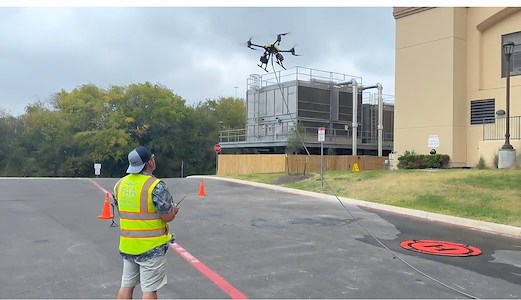
After a Central Texas winter, many Austin properties find their roofs holding waterlogged debris, dark organic stains, and slick film around drains and seams. That is when drone pressure washing becomes a smart, safe choice. With a controlled soft-wash approach and precise flight paths, drones clear buildup fast and help extend the life of your commercial roof without putting crews on ladders or disrupting busy sites across The Domain, South Congress, and North Austin.
If you manage a retail center, school, or office campus, scheduling a post‑winter clean with our drone pressure washing service helps your roof shed spring storms and pollen with fewer issues.
Why Winter Weather Leaves Austin Commercial Roofs Vulnerable
Our winters swing from soaking rains to occasional cold snaps. Those cycles push debris toward drains and scuppers, then trap moisture against TPO, PVC, metal, and shingle surfaces. When the sun returns, residues bake on and stains set in. On flat roofs from Downtown to Cedar Park, even shallow ponding starts a chain reaction that weakens seams and invites algae to spread.
Ignoring winter leftovers can shorten roof life because trapped moisture lingers under leaves and silt, encouraging microbial growth and slow deterioration around fasteners and flashing.
What Builds Up On Roofs After Winter Rains
Across Austin, roofs collect a predictable mix each winter. Common trouble spots include parapet corners, around skylights, and near HVAC curbs. Expect to see:
- Oak leaves, twigs, acorns, and wind‑blown litter matted near drains
- Algae film and mold colonies that darken seams and low spots
- Silt lines that mark previous ponding and hide tiny cracks
- Grit that abrades coatings during spring winds
Left in place, these materials act like a sponge. They hold moisture and slow evaporation, which accelerates discoloration and makes spring maintenance more urgent.
Why Drone Pressure Washing In Austin Is Ideal After Winter Rains
Drones reach long, flat spans and steep sections without lifts or foot traffic on delicate surfaces. Pilots maintain a safe standoff distance while applying a soft‑wash solution that loosens organic growth. Then a measured rinse clears debris, algae, and fine silt without forcing water under seams. That precision matters on older membranes near the Warehouse District, newer mixed‑use roofs in East Austin, and metal panels that collect runoff streaks.
For a deeper look at how drones boost safety and consistency, explore our article on how drone pressure washing improves safety and efficiency during busy property schedules.
How Drone Soft Washing Protects Roof Materials
TPO and PVC Membranes
Soft‑wash chemistry targets organics but respects roof coatings. Even coverage helps release the film that forms around skylights and vents. Consistent rinse passes keep water from pooling at seams or wicking under laps.
Metal Roofs
Metal panels show streaks fast. A steady drone angle and controlled flow remove residues without scouring protective finishes or forcing water into fastener lines. That keeps panels bright without risk to sealant lines.
Shingle and Tile Sections
High pressure can dislodge granules or lift tiles, so the gentle approach is essential. Drones apply solution evenly, then rinse like a calm garden shower for uniform results. Never use high pressure on membrane or shingle roofs; soft washing does the work while the rinse carries away loosened growth.
Safety And Business Continuity Benefits
Keeping crews on the ground reduces fall exposure and eliminates lift staging that blocks loading zones or guest parking. Because drones set up quickly, teams can clean early or between store hours along South Lamar or in Round Rock office parks without long closures. That means fewer cones, clearer sidewalks, and less downtime for tenants and staff.
When To Schedule Post‑Winter Roof Cleaning In Austin
A good window sits between late‑winter rains and early oak pollen. Cleaning in that gap removes moisture‑holding debris before spring heat bakes stains into coatings. Many managers plan a roof wash now, then a quick gutter and facade rinse after peak pollen to keep drips and streaks from reappearing.
Signs Your Roof Needs Drone Cleaning Right Now
- Dark bands or green film near seams and ponding rings after a storm
- Slow drains or overflow from scuppers during moderate rain
- Silt ridges at parapets or around rooftop units
- Downspouts blowing fine sediment across facades
If you notice these markers on buildings near The Domain or along Interstate 35 corridors, schedule a targeted cleaning before temperatures climb. Clearing residues early usually leads to a brighter, more uniform finish on spring photos and inspections.
What Makes Drone Cleaning Different From Traditional Washing
Traditional methods struggle with access and consistency. Lifts can miss narrow ledges or create uneven patterns where operators must reposition. With drones, the passes are repeatable. A pilot locks in distance and angle, then lets the solution dwell before a smooth rinse. That repeatability reduces tiger‑striping and helps edges around skylights and parapets match the field color.
Curious about organic growth itself? This quick read on moss and algae damage explains why that dark sheen returns faster when winter debris stays put.
Moisture Management: Drains, Scuppers, And Seams
Post‑winter maintenance is really moisture management. Debris traps water and gives algae a foothold. Clearing it restores flow to drains and scuppers so the next thunderstorm does not linger on the roof. On long, low‑slope spans in Pflugerville and Georgetown, even shallow ponding adds weight and stress. Clogged drains create ponding that silently weakens roof systems, and the stains they leave behind signal where to focus your next inspection.
Maintenance Rhythm For Building Managers
Set a simple, seasonal rhythm that limits surprises:
Late winter: schedule cleaning to remove storm debris. Early spring: quick check after pollen. Late summer: spot clean shaded sections where humidity lingers. Before holidays: light rinse on entries and signage for a fresh look.
Building teams in West Lake Hills and Lakeway often pair a roof wash with a facade rinse so residues do not streak down walls. You can also coordinate a window pass to keep glazing clear for leasing photos and end‑of‑quarter walk‑throughs.
How We Keep Your Property Protected During Cleaning
Our pilots plan flight paths, confirm standoff distances, and match chemistry to materials. Ground crews manage hoses and overspray shields to protect landscaping and vehicles. We document before‑and‑after views from the same angles so you can compare results with future inspections. If your property includes solar panels or clerestories, we can coordinate those surfaces for uniform color and reflectivity across the entire roofline.
Plan Your Spring: Simple Steps To Get Started
Share a recent roof photo, note any known ponding areas, and list drain locations. Tell us where tenants or visitors enter so we can schedule around peak times. If multiple buildings share a lot, we will map a route that keeps traffic flowing and doors clear.
For a full overview of what we clean and how we adapt to different materials, review our approach on the drone soft washing service page before you set dates with your team.
Local Perspective: Austin Roofs We See Every Week
From mid‑rise offices near the Capitol to retail strips in Buda and Kyle, the pattern is similar. Winter rains carry grit into low spots, then spring heat bakes it on. East‑facing slopes dry first while shaded north edges stay damp and slick. That is why Austin managers who keep a steady cleaning rhythm report fewer leak calls and cleaner parapet lines when summer storms arrive.
If you want a quick primer on our company’s philosophy and the kinds of materials we treat around the city, you can learn more about drone roof cleaning in Austin, TX right on our home base.
Ready To Protect Your Roof After Winter?
Give your property a fresh start before spring storms and pollen take over. Partner with Allied Drone Solutions for a safe, efficient clean that supports your maintenance plan and keeps your tenants and visitors safe. Call 713-810-2329 to schedule, or coordinate your next service through our drone pressure washing page for service in Austin.
The bottom line: remove what winter left behind, keep water moving, and set your spring on the right track with a focused drone soft wash that protects your roof and your schedule.